EV Chargers at Home: Do You Need More Solar or a Battery First?
EV Chargers at Home: Do You Need More Solar or a Battery First?
Why EV Charging Changes Your Home Energy Needs
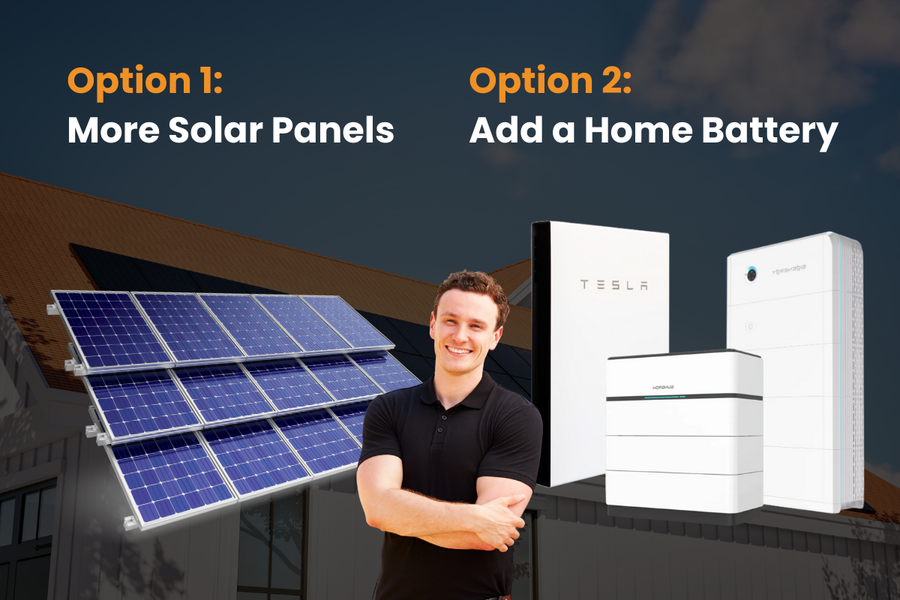
Option 1: More Solar Panels First
Benefits of Adding Solar First
Option 2: Add a Home Battery First
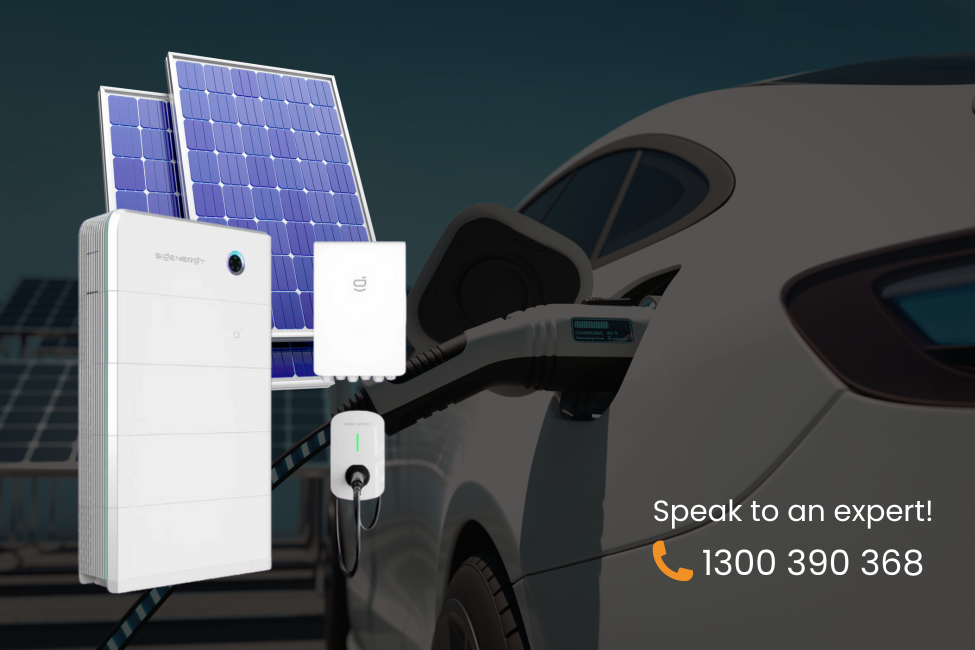
What About Doing Both? Solar + Battery + EV Charger
Smart EV Chargers Change the Equation
How Much Solar Do You Need for an EV?
With electric vehicles becoming more common across Queensland and New South Wales, more homeowners are asking the same question:
If I want to charge an EV at home, do I need more solar panels, a battery, or both?
The short answer is it depends on how you drive, how much energy you use, and how your home solar system is set up. In this guide, we’ll break it down in plain English so you can make the smartest decision before installing a home EV charger.
Why EV Charging Changes Your Home Energy Needs
Charging an electric vehicle at home can significantly increase your electricity usage. On average:
An EV uses 15–20 kWh per 100 km
Many drivers use 2,500–4,000 kWh per year just for charging
That’s similar to adding another small household to your power bill
Without solar or smart energy planning, charging an EV from the grid can quickly eat into the savings you expected from going electric.
That’s why solar panels, batteries, and EV chargers are now being planned together not separately.
Option 1: More Solar Panels First
When More Solar Makes Sense
Adding more solar panels is often the first and most cost-effective upgrade if:
Your current system is small (under 6.6 kW)
You charge your EV during the day
You work from home or your car is parked at home most weekdays
Your roof has spare space and good sun exposure
In Queensland and northern NSW, solar production is strong for most of the year. A larger system can generate enough daytime energy to power your home and charge your EV using solar instead of grid electricity.
Benefits of Adding Solar First
Lower upfront cost compared to batteries
Immediate bill reduction
Uses free daytime solar for EV charging
Works well with smart chargers that prioritise solar
Limitations
Less helpful if you charge mainly at night
Excess solar may be exported at low feed-in tariffs
Grid reliance remains after sunset
For many QLD and NSW households, upsizing solar is the smartest first move before considering batteries.
Option 2: Add a Home Battery First
When a Battery Makes Sense
A battery becomes valuable if:
You charge your EV mostly in the evening or overnight
You already have a large solar system
Your feed-in tariff is low
You want backup power during outages
You want to reduce grid reliance as much as possible
A battery stores excess solar generated during the day and allows you to use it later including for EV charging at night.
Benefits of Adding a Battery
Store solar for night-time EV charging
Reduce peak electricity costs
Backup power during blackouts (with compatible systems)
Greater energy independence
Limitations
Higher upfront cost
Limited storage capacity (one EV charge can drain a battery)
Still needs enough solar to fill the battery
In most homes, a battery alone is not enough to fully charge an EV unless paired with adequate solar generation.
What About Doing Both? Solar + Battery + EV Charger
For households planning long-term, the best setup is often:
A correctly sized solar system
A smart home battery
A solar-aware EV charger
This combination allows you to:
Charge your EV using solar during the day
Store excess solar for night-time charging
Reduce grid usage year-round
Prepare for future energy price increases
However, it’s not always necessary to install everything at once. Many homeowners in QLD and NSW choose to:
Upgrade solar first
Add an EV charger
Install a battery later when budgets allow or rebates improve
Smart EV Chargers Change the Equation
Modern EV chargers can dramatically improve efficiency without needing a battery straight away.
Smart Charger Features
Solar-only charging mode
Adjustable charging speeds
Load balancing with household appliances
Scheduled off-peak charging
With a smart charger, your EV can automatically charge only when excess solar is available maximising savings even without a battery.
This is especially effective in Queensland, where daytime solar generation is strong.
How Much Solar Do You Need for an EV?
As a general guide:
Small EV usage: +3–5 kW of solar
Average commuter: +5–7 kW of solar
High mileage or multiple EVs: 10 kW+ systems often make sense
Every home is different, which is why system design should consider:
Roof size and orientation
Daily driving distance
Household energy use
Future plans (battery, second EV, heat pumps)
QLD & NSW Considerations You Should Know
Queensland
Strong solar output year-round
EV charging pairs well with daytime solar
Grid export limits may apply
Storm season makes battery backup attractive for some homes
New South Wales
Solar output varies more by region
Evening peak pricing makes batteries more valuable
Grid congestion in some areas reduces feed-in benefits
Both states benefit from smart energy systems designed around how you actually use power, not just how much you generate.
Common Mistakes to Avoid
❌ Installing an EV charger without checking solar capacity
❌ Adding a battery without enough solar to charge it
❌ Overspending upfront without planning staged upgrades
❌ Ignoring future energy needs like a second EV
A properly designed system saves far more than a rushed install.
So… Solar or Battery First?
Choose More Solar First If:
You charge during the day
Your system is under 6.6 kW
You want the fastest payback
Choose a Battery First If:
You charge mostly at night
You already have a large solar system
You want blackout protection
Choose Both If:
You want maximum energy independence
You’re planning long-term EV ownership
You want the most flexible setup
Final Thoughts
Installing a home EV charger is a great step toward cleaner transport but the biggest savings come when it’s paired with the right solar and battery setup.
For most homeowners in Queensland and New South Wales, upgrading solar first is the smartest move. Batteries add value later, especially as energy prices rise and EV ownership grows.
The key is planning your system properly from day one.
If you’re considering an EV charger and want to know whether your home needs more solar, a battery, or both, a tailored energy assessment can save you thousands over the life of your system.

Take the Next Step with Powered By Solar
At Powered By Solar, we’re here to make switching to solar simple, smart, and stress-free.
From solar panels to full battery-ready packages, we design a system that fits your home and future energy needs.
Ready to take control of your energy?
Contact Powered By Solar today for a personalised battery assessment and fast quote.


